
Improving bathing water quality at Ogmore-by-Sea and Watch House Bay
Overview
Click to read this page in Welsh / Cliciwch i ddarllen y dudalen hon yn Gymraeg
We know how important our beaches and rivers are to local communities, visitors and wildlife.
Bathing waters at Ogmore-by-Sea and Watch House Bay in Barry have failed to meet water quality standards in the past few years. We do not yet fully know what is causing the problem, and it is likely to be due to many different reasons.
We are working with stakeholders and communities to better understand the causes of poor bathing water quality and to support action that can lead to improvements.
See the latest project updates at the bottom of this page.
What is the project?
This project is a joint effort to understand and improve the bathing water quality at Ogmore-by-Sea and Watch House Bay.
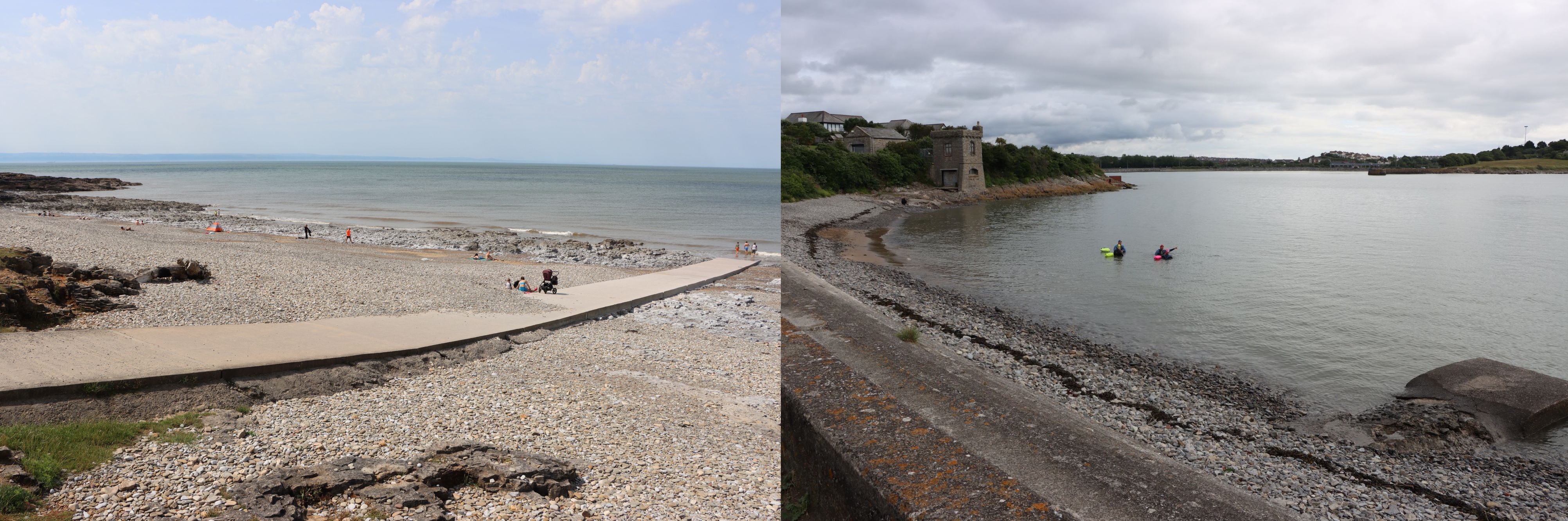
These sites are designated bathing waters and both have failed to meet required water quality standards under the Bathing Water Regulations 2013:
- Ogmore‑by‑Sea has been classified as ‘Poor’ for three consecutive years since its designation in 2023
- Watch House Bay was classified as ‘Poor’ in its first year of designation in 2023 and improved to ‘Sufficient’ in 2024, and ‘Poor’ again in 2025.
The project aims to:
- understand what is affecting water quality across the whole catchment area, from rivers and streams to the sea
- identify the main sources of pollution, whether from drainage systems, towns, or the surrounding countryside
- take action based on evidence, testing practical solutions that will lead to lasting improvements.
Why is this happening?
Water quality can be affected by many different factors across the whole catchment.
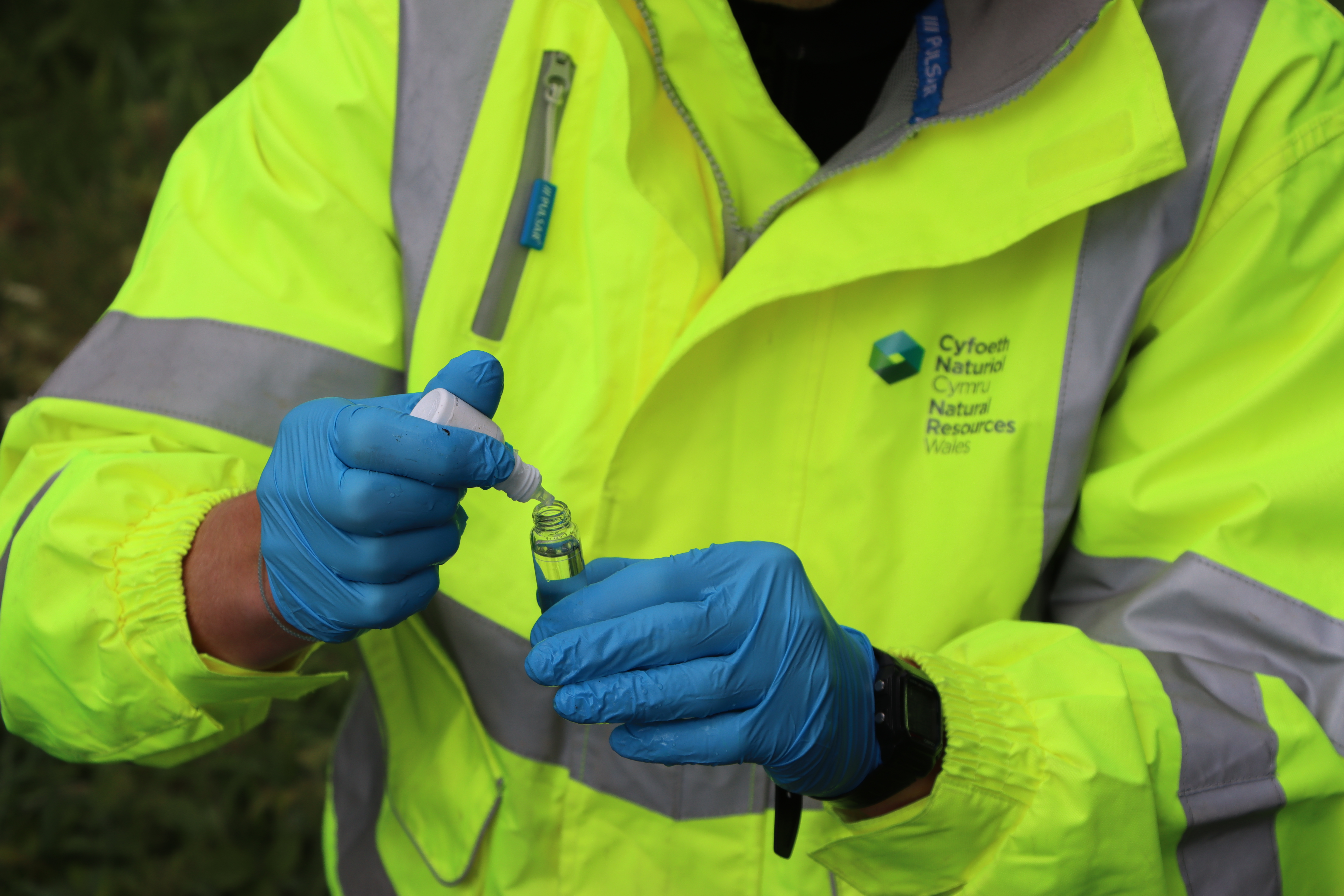
Issues can include:
- storm overflows and drainage systems becoming overwhelmed in wet weather and discharging into rivers;
- ageing infrastructure under increasing pressure from population growth and climate change
- pollution from roads and urban areas entering rivers through surface water drains
- misconnected pipes, where wastewater from homes or businesses is wrongly connected into surface water drains and can end up in rivers or the sea untreated
- pollution from farmland, including animal waste washing into watercourses.
Because pollution can come from different sources and combine across the area, we need to look at the whole catchment to understand the problem and identify the right solutions.
How are we doing it?
On the ground: what our specialist officers are doing
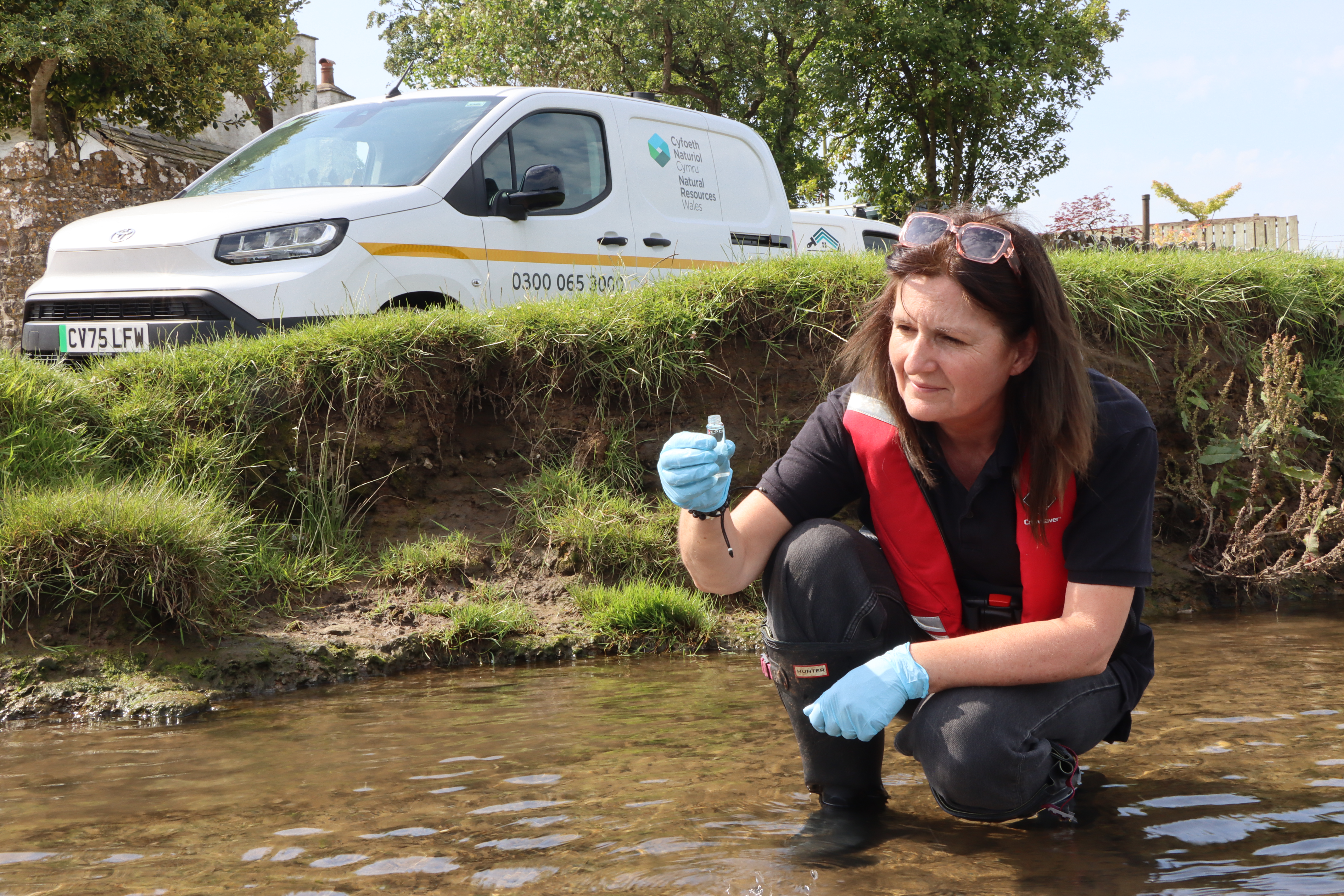
Two dedicated officers are working across both catchments to help build a detailed picture of what’s happening.
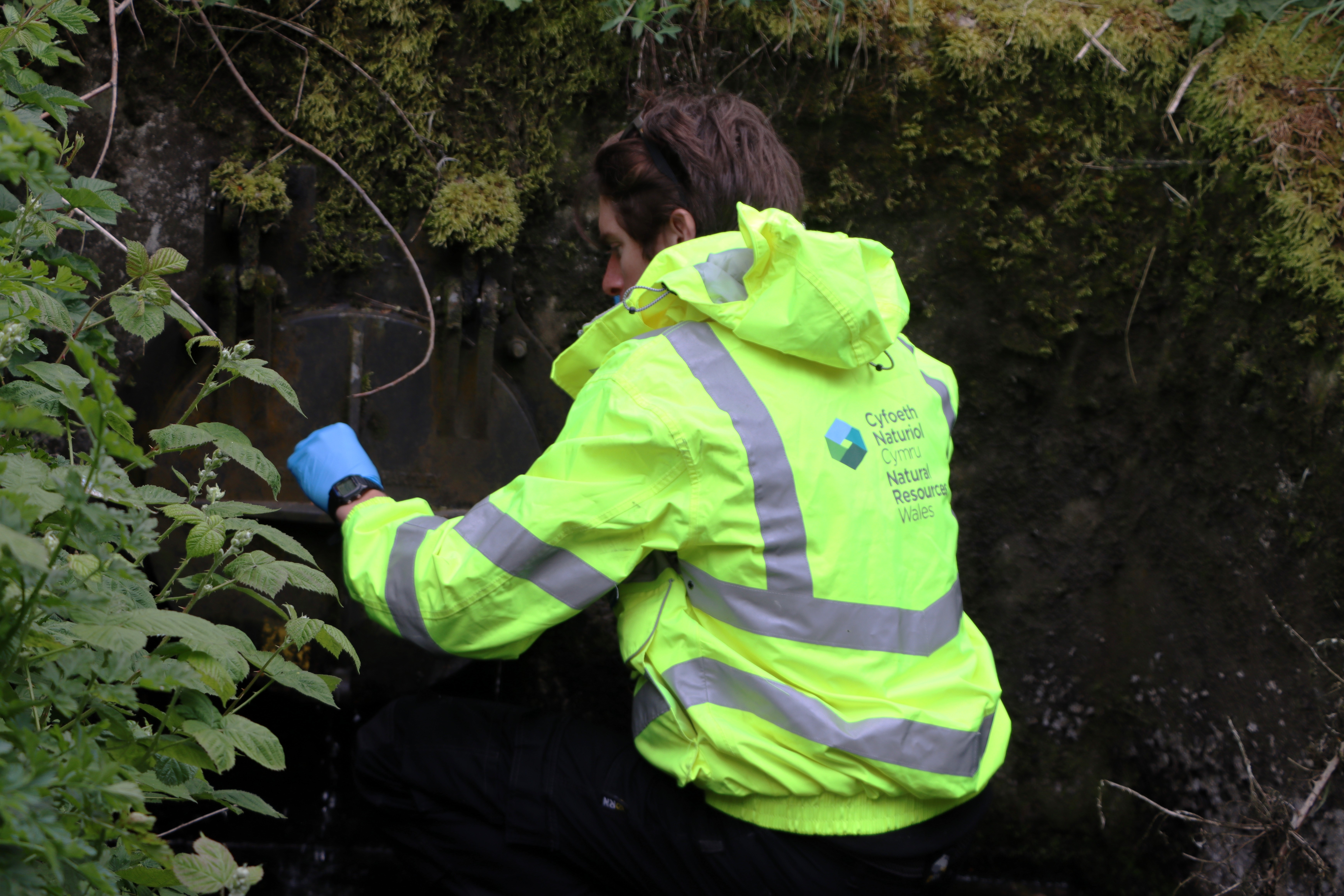
Their work includes:
- testing water quality, particularly after wet weather
- finding where pollution enters rivers and streams
- identifying drainage problems, including wrongly connected pipes
- working out where harmful bacteria are coming from
- checking how healthy rivers are by looking at the wildlife in them.
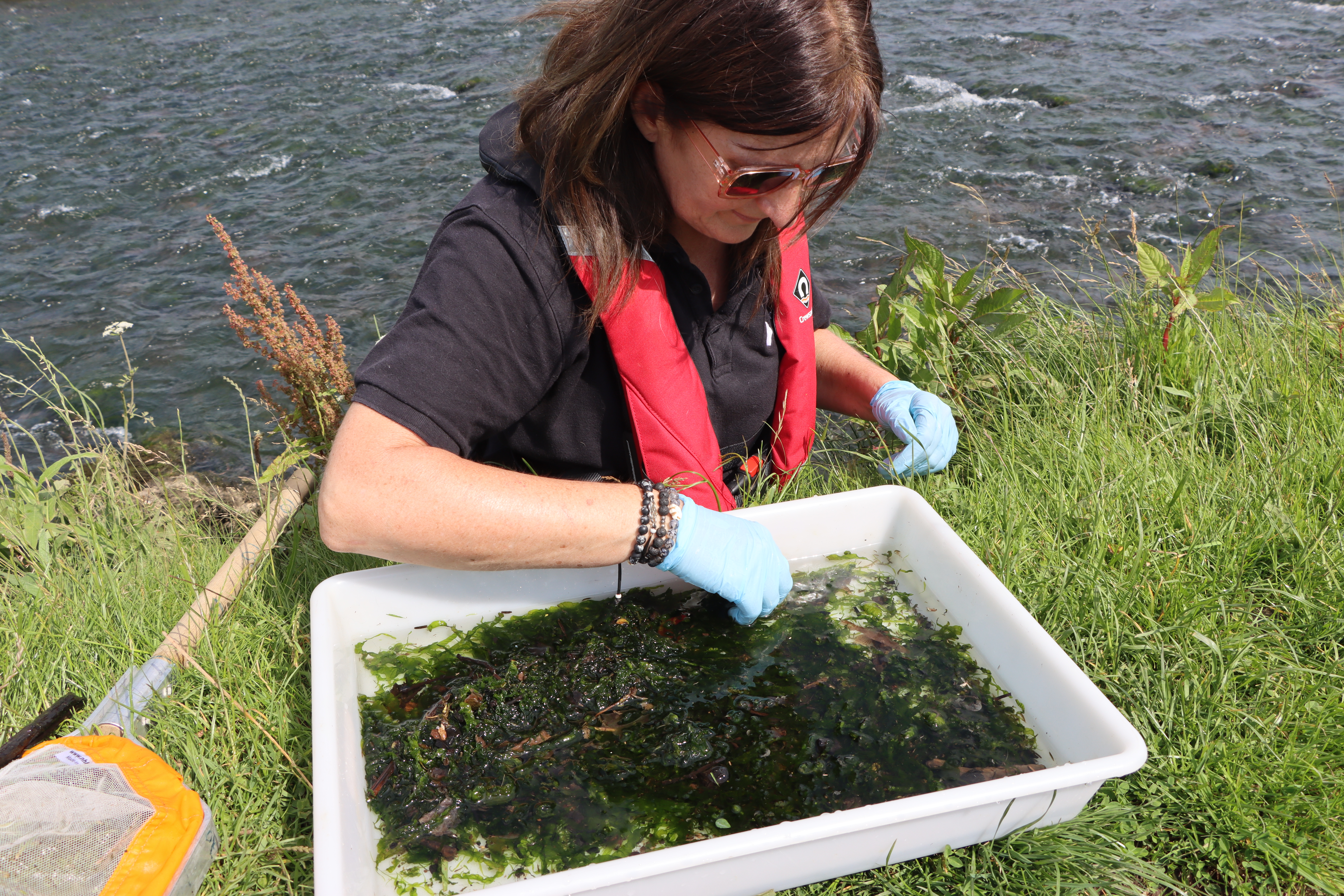
This hands-on work, combined with analysis of existing data held by NRW and partners, and building on the knowledge of specialist NRW staff who have worked in these catchments over many years, helps us build a clear picture of what’s happening and take evidence-based action.
Working together across the catchemnts
Alongside the fieldwork, we are bringing organisations together to work across the catchments.
This joined-up approach is coordinated by Natural Resources Wales, working closely with:
- Dŵr Cymru Welsh Water – who we regulate
- Shared Regulatory Services - a joint environmental health service for Bridgend, Cardiff and Vale of Glamorgan councils, covering issues such as pollution, food safety and public health
- Bridgend County Borough Council
- Vale of Glamorgan Council
and reaching out to:
- environmental organisations
- landowners and community groups.
The project brings together organisations with different responsibilities and expertise to:
- share knowledge and data
- agree priorities and coordinate action
- work more efficiently by avoiding duplication
- develop a joined-up plan for improvement.
By working in this way, partners can address complex issues together that no single organisation could solve on its own.
Listening and involving communities
Local knowledge is vital. We plan to:
- work with community groups, landowners and stakeholders
- create opportunities to share insights and ideas
- support community involvement in monitoring and building local understanding of water quality
- keep people informed through updates and engagement events.
We want this to be a shared effort, and we value local knowledge and the input from communities. When everyone understands the challenges, we can all play a role in improving water quality.
What difference will this make?
This project is about building the foundations for real, lasting improvement.
In the short term, it will:
- give us better, clearer evidence
- identify priority actions and quick wins.
Over time, it will:
- support investment and targeted solutions
- improve water quality and environmental resilience
- create a model for improving other bathing waters across Wales.
Get involved
We will keep sharing updates on this project, and work with anyone interested in helping solve these issues.
The project is already underway and will run until March 2027. Right now, we are in the evidence-gathering phase, which is essential to make sure future actions are targeted and effective.
You can:
- stay informed through project updates
- take part in engagement activities
- share your knowledge of the area
- help identify issues and solutions.
Email: bathingwatersSC@naturalresources.wales and let us know how we can work together.
How you can help
If you have seen pollution, noticed changes in rivers, or have local knowledge about drainage or water quality, your insight could make a real difference.
We will be out across the catchment and are keen to speak to anyone who wants to share their experience.
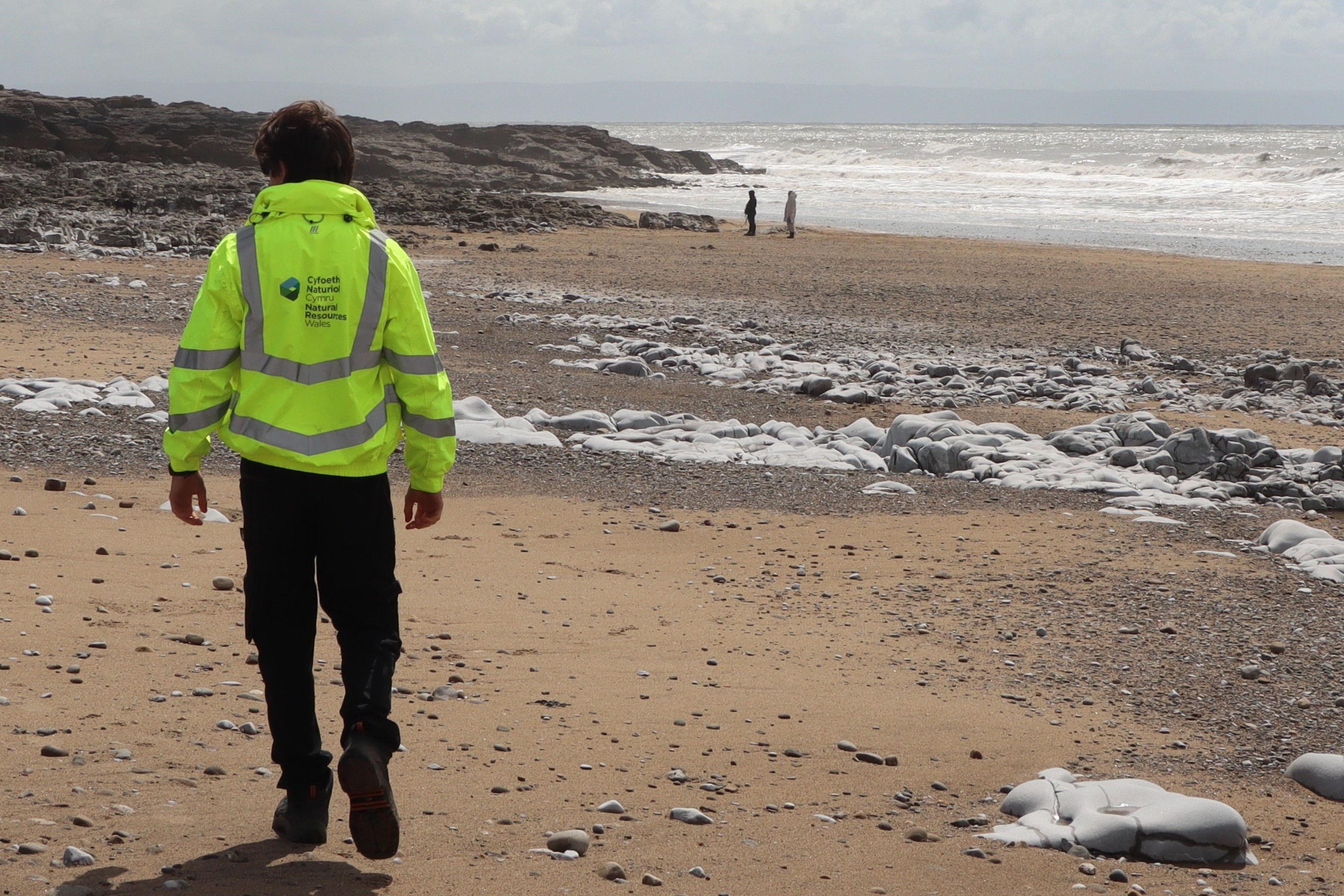
You can also play a practical role in improving water quality by checking for simple issues at home, such as misconnected pipes, where wastewater may be entering surface water drains instead of the foul sewer. Visit Dŵr Cymru Welsh Water’s website for more information.
If you suspect pollution, please report it to us online or via our 24/7 incident hotline on 03000 65 3000.
Signs of pollution to look out for include:
- Milky, cloudy, or grey discolouration in the water
- Dead or distressed fish
- Strong sewage or chemical smells
- Toilet-related debris (wet wipes, sanitary products)
- Brown or green water flowing into streams from agricultural fields, particularly after heavy rain
- Oil-like sheens, excessive foam, or thick scum on the water surface.
Project updates
Check here for updates on the project or follow us on Facebook.
25 June 2026 - Read our news release
6 July 2026: Talking water quality at Ogmore-by-Sea
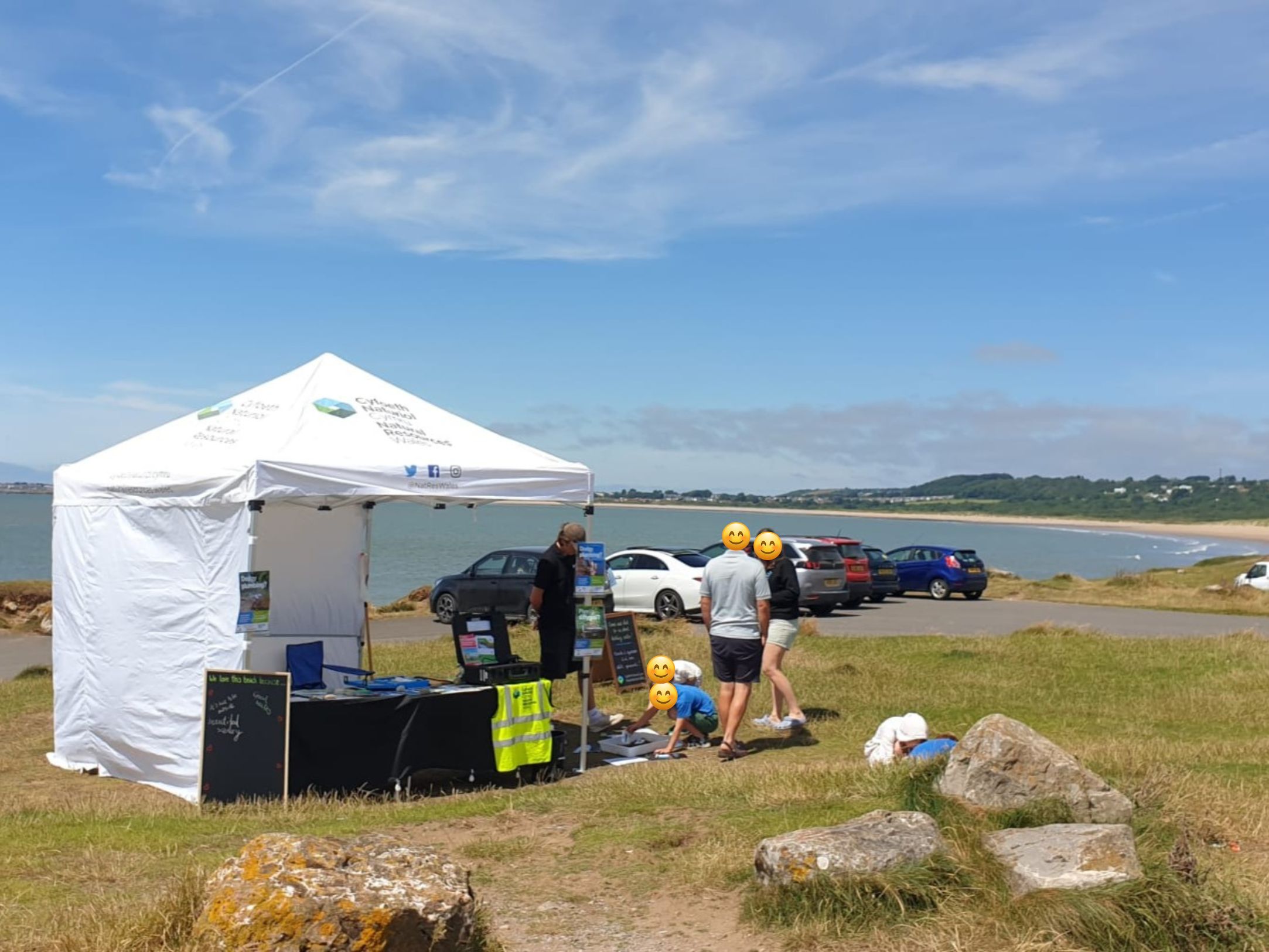
Our officers spent the day at Ogmore-by-Sea speaking with local residents, businesses and visitors about bathing water quality and the work underway to understand and improve it.
We spoke with moe than 100 people throughout the day, including swimmers, anglers, families, dog walkers and visitors from across South Wales and England. Many people were keen to learn more about the factors affecting water quality, including pollution sources and misconnections.
Our team shared information on how to report pollution incidents, explained how misconnected drainage pipes can affect rivers and bathing waters.
We were encouraged by the positive feedback we received, with many people expressing support for efforts to improve bathing water quality and protect the local environment. The conversations and local knowledge shared with us will help build a better understanding of the challenges affecting the catchment.
Our next public engagement event will take place at Watch House Bay, Barry, later this month. We look forward to meeting more local residents and visitors and hearing their views.
30 July 2026: Enhanced water quality monitoring at Ogmore-by-Sea and Watch House Bay
We are carrying out enhanced water quality monitoring at Ogmore-by-Sea and Watch House Bay during August and September 2026.
We have commissioned JBA Consulting to collect and test up to six water samples each weekday at both designated bathing waters over an eight-week period.
We routinely monitor designated bathing waters throughout the bathing season, collecting at least eight samples between May and September. Read more about How we monitor and protect Wales’ bathing waters
As part of this enhanced programme, about 240 additional samples will be collected at each site at different times throughout the day. This will help us understand how water quality changes under different environmental conditions, including varying tides, river levels, rainfall and weather conditions such as wind.
To collect samples safely and efficiently, specialist drones will be used within the bathing water areas.
Drones provide a safe and cost-effective way to collect water samples without repeatedly entering the water. They are operated by trained pilots, are designed to land on and take off from the water, and checks are carried out before sampling to ensure there are no people near the sampling area.
Samples will be analysed by an accredited laboratory in accordance with bathing water testing requirements.
This work will support our wider efforts to better understand the factors affecting bathing water quality at Ogmore-by-Sea and Watch House Bay and identify actions that could lead to improvements.
End of Summer update 2026
As we move towards the end of the bathing water season, we'd like to provide an update on progress across the South Central Bathing Waters Project.
The project was established to improve understanding of the factors affecting bathing water quality at Ogmore-by-Sea and Watch House Bay and to identify practical actions that can help deliver long-term improvements.
Our work has focused on gathering evidence across both catchments, investigating potential pollution sources, trialling new monitoring techniques, and engaging with local communities and stakeholders.
Investigation successes on the ground
Our field investigations across both catchments are helping us identify and resolve sources of pollution, providing evidence that supports practical improvements on the ground.
In the Ogmore catchment, we have identified and resolved multiple previously unknown polluting discharges. We recently traced signs of sewage pollution to a blocked foul sewer near the River Ewenny. Following our intervention, significant quantities of fats, oils and grease were removed from the network, full flow was restored and follow-up visits confirmed that the pollution had been resolved.
Through our catchment investigations we have identified a polluting surface water outfall and used dye tracing to track the source of contamination. This led us to a major drainage misconnection at a distribution depot, where foul sewage from toilets and welfare facilities was being pumped into a surface water system discharging to the River Ewenny. The operators took immediate action to stop the discharge and carry out remedial works. When we returned to the site, we found a significant improvement in water quality at the outfall.
At Nant Cefn Glas, one of the Ogmore's tributaries, we identified signs of sewage pollution, leading to the discovery of defects in a sewer and multiple misconnected houses. Following intervention, repairs were completed and ongoing monitoring is helping us assess improvements in the watercourse.
At Watch House Bay, we responded to elevated bacterial results by carrying out additional investigations within the Marine Lake catchment. We undertook follow-up sampling and identified elevated levels of bacteria linked to human sources within a feeder channel. This has helped us narrow down potential pollution sources and focus the next phase of our investigations.
Alongside these specific investigations, we have identified and referred numerous polluting outfalls, leaking foul sewers and potential industrial misconnections for further action. All of the above have been found by using local knowledge to trace known issues, by walking stretches of river in order to check outfalls and by conducting ecological surveys.
Aside from pinpointing sources of pollution, ecological surveys have also identified areas where diffuse pollution is a problem. Unlike pollution that comes from a single, identifiable source, diffuse pollution enters rivers and streams from multiple places across the catchment. This can include runoff from roads, urban areas and farmland, particularly during heavy rainfall.
The project is working with other relevant parties to investigate and mitigate this. The evidence gathered through ecological surveys has also helped support wider regulatory interventions and prioritise improvement works across both catchments.
These examples show how the project is not only improving our understanding of water quality issues but also helping to deliver practical action to address them.
Understanding pollution sources through Microbial Source Tracking
This summer, a Microbial Source Tracking (MST) pilot was undertaken across both catchments to help identify whether bacterial contamination was primarily linked to human, livestock or bird sources.
Initial results suggest human sources may be contributing more to bacterial loading than livestock or birds, although findings are preliminary and further sampling is ongoing to improve confidence and support targeted future investigations.
We will continue to build our understanding over the coming months to help target future investigations and inform how MST could be used more widely in Wales.
Bathing water monitoring during the 2026 season
Bathing water sampling has continued throughout the season at both Ogmore-by-Sea and Watch House Bay, with results published through the bathing water profiles.
As expected, water quality has varied over the season, reflecting the complex nature of both catchments. To support this work, three continuous monitoring sondes have been deployed within the Ogmore catchment, the data from these are available on our website. Additional monitoring sites across both catchments are measuring a range of water quality indicators to improve understanding of water quality trends and pollution sources.
From this additional monitoring, where elevated bacterial results have been recorded, we have undertaken investigations to identify potential sources of pollution and determine where interventions may be most effective.
The bathing water classifications for the 2026 season will be published by the Welsh Government later in the year.
Working together across the catchments
The organisations with statutory responsibility for water quality have already been collaborating on specific issues. They are now also meeting regularly to share information and updates across their water quality related projects, so that all are aware of what the others are doing. This reduces duplication and, just as importantly, opens up opportunities for collaboration and shared learning.
On the ground, our investigation teams are working alongside other local organisations, sharing data and technical findings as we go. Beyond this, we want to keep talking with wider range of people and organisations who care about this work, keeping you informed of what we are finding through updates like this one, and we welcome an ongoing, two-way conversation as the work develops.
Listening to communities
Public engagement has been a key part of the project throughout the summer.
We held engagement events at Ogmore-by-Sea, Watch House Bay, and the Bridgend Nature Festival, speaking directly to hundreds of people who live, work, visit and spend time in the catchments.
These events helped raise awareness of bathing water quality, pollution reporting and drainage misconnections, while also improving understanding of the project's aims and ongoing investigations.
Many people shared observations about local watercourses, drainage issues and historic pollution incidents, providing useful intelligence that is helping inform ongoing investigations. The conversations also provided valuable local knowledge and highlighted areas of concern within both catchments.
We received positive feedback from people, who welcomed the opportunity to discuss the work directly with the project team, demonstrating the value of continued engagement with local communities throughout the life of the project.
Looking ahead
As the project continues beyond the bathing water season, we will keep gathering evidence, progressing investigations and working with stakeholders to better understand the pressures affecting water quality across both catchments.
Data collected during the summer will contribute to the project's wider evidence base and help shape recommendations for future action, investment and longer-term catchment management. The lessons learned will also help inform approaches to improving bathing water quality elsewhere in Wales.
Thank you to all who have contributed to the project so far.
30 September 2026: Understanding river health through macroinvertebrate surveys
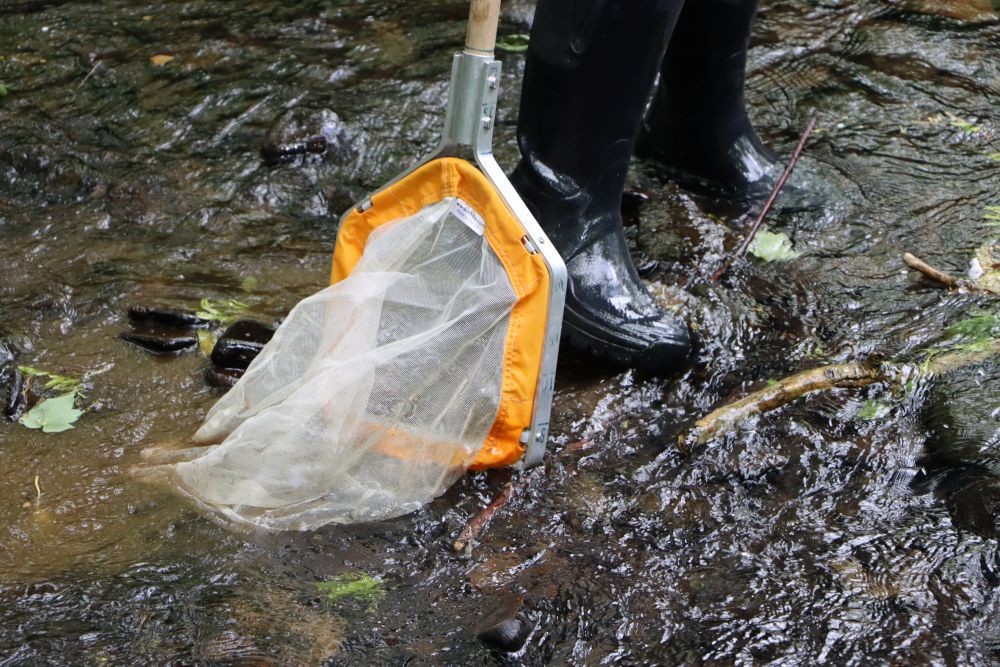
As part of our project to improve bathing water quality at Ogmore-by-Sea and Watch House Bay, we're carrying out kick sampling surveys across the River Ogmore and River Cadoxton catchments.
Working with the South East Wales Rivers Trust, we carry out macroinvertebrate surveys using a technique known as kick sampling. By gently disturbing the riverbed and collecting insects and other small aquatic animals in a net, we can assess river health and identify areas that may be affected by pollution.
Species such as mayflies, stoneflies and caddisflies are particularly sensitive to pollution, while others are more tolerant of poorer water quality.
By looking at the types and numbers of species present at different locations, we can build a picture of river health over time. This helps usidentify pollution pressures, target investigations and better understand the factors affecting rivers that flow towards these bathing waters.
These surveys are an important part of our wider evidence-gathering programme and complement the water quality monitoring being carried out across the catchments. We use the results alongside chemical and bacterial sampling, river walks and outfall inspections to help identify both specific pollution sources and wider areas affected by pollution.
This work has already helped direct investigations that have uncovered polluting outfalls, drainage misconnections, leaking sewers and other sources of contamination affecting local watercourses. It has also helped us identify locations where pollution is entering rivers from multiple sources, supporting further investigation and action.
So far, we have carried out kick sampling at dozens of locations across both catchments. We plan our surveys carefully so we can gather the information we need while keeping disturbance to river habitats to a minimum.
Contact us if you have any questions bathingwatersSC@naturalresources.wales
Areas
- Baruc
- St. Bride's Major
Audiences
- Ansawdd dŵr
- Water quality
Interests
- Ansawdd dŵr
- Water quality
Share
Share on Twitter Share on Facebook