
Upper Wye Catchment Restoration Project
Overview
The Upper Wye Catchment Restoration Project is funded by Welsh Government’s Nature and Climate Emergency Fund, part of the Water Capital Programme, to restore the condition of the Upper River Wye Special Area of Conservation (SAC). The Wye is one of the UK’s most special rivers, which is reflected by its designation as a SAC and a Site of Special Scientific Interest (SSSI).
The project focuses on protecting species, restoring habitats and improving water quality while building resilience to climate change. Key objectives include:
- Restoring and improving habitat in the river, on the riverbanks and in the wider catchment
- Reducing sediment and pollutants entering the river
- Improving the resilience of the river to extreme weather events and warmer temperatures resulting from climate change
The project aligns with the Sustainable Farming Scheme.
The importance of the River Wye
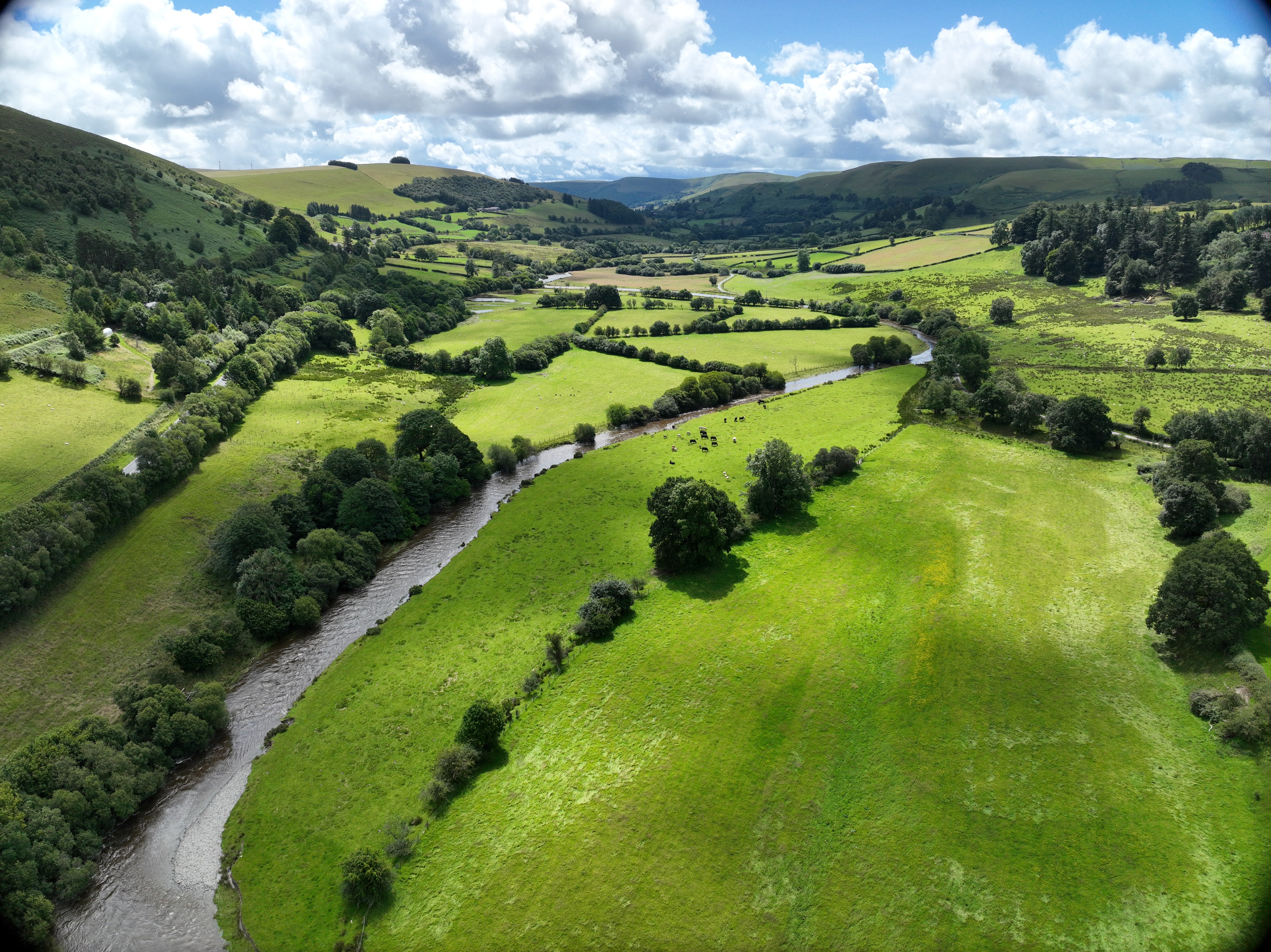
The Upper River Wye rises in the Cambrian Mountains on Plynlimon and flows through the upland landscapes of Powys. These upper reaches play a crucial role in shaping the health of the entire river system downstream.
The River Wye and its tributaries are home to several important species such as Atlantic salmon, shad, otter, white-clawed crayfish and water crowfoot (Ranunculus).
The river and its surrounding landscapes are cherished by local communities and visitors for their cultural, recreational and wellbeing benefits.
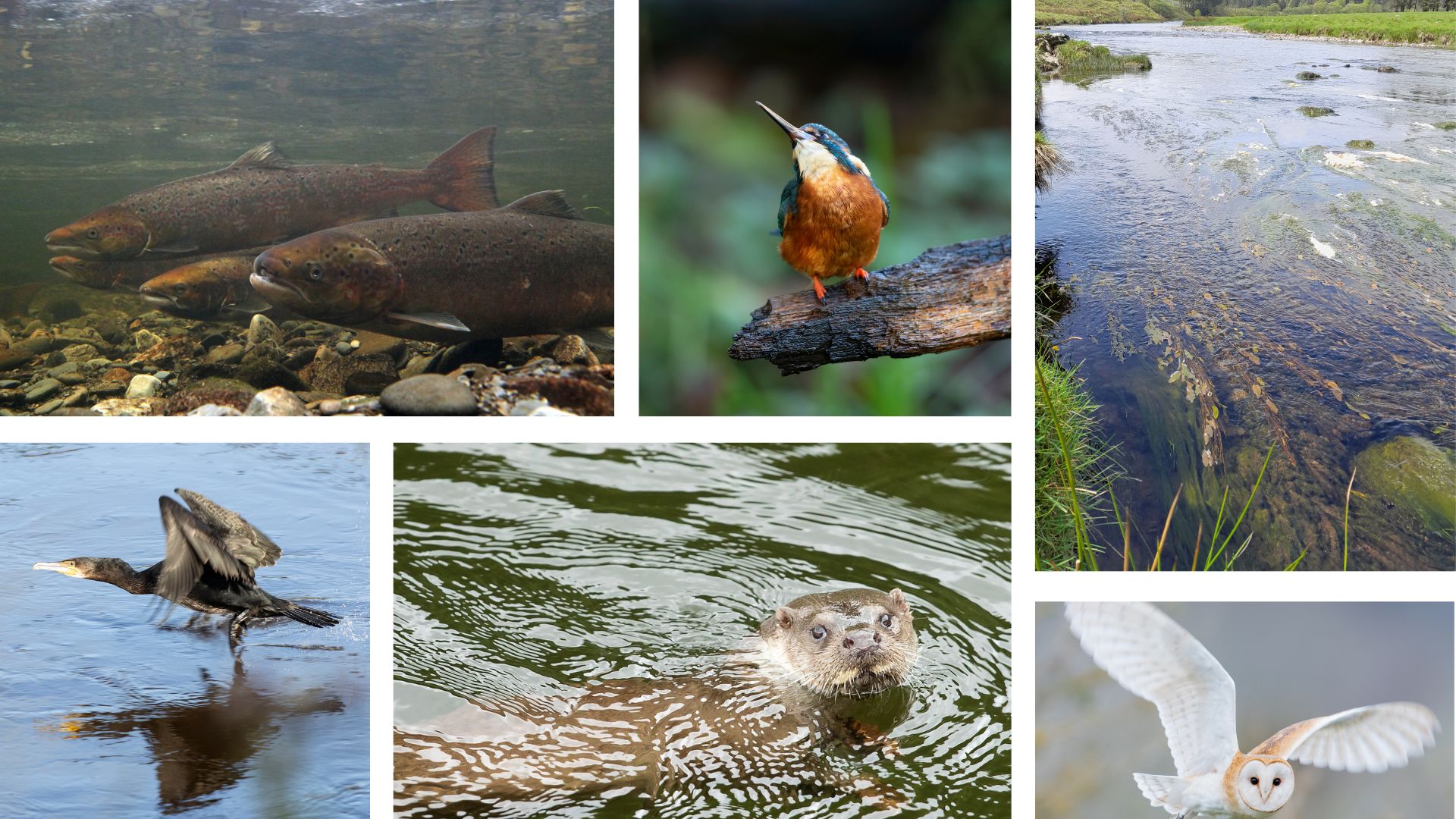 Photo credit: Peter Lewis
What are the pressures facing our river?
The Upper Wye faces pressures from pollution including nutrients and sediment, poor habitat and lack of tree cover, erosion and climate change. Warmer, drier summers lead to low flows and higher water temperatures, putting sensitive species like salmon under stress. Historic land management has led to the removal of natural shade on the banks and important habitat such as boulders and large wood in the river.
Structures such as weirs, culverts and modified channels disrupt natural river processes and fish migration, while invasive plant species destabilise riverbanks and compete with native species.
Addressing these pressures in the upper catchment is crucial, as improvements here support the health and resilience of the entire River Wye downstream.
Action we’re taking
We are working alongside landowners, farmers, communities and local organisations to restore the Upper Wye catchment through practical, on-the-ground action.
Our work includes:
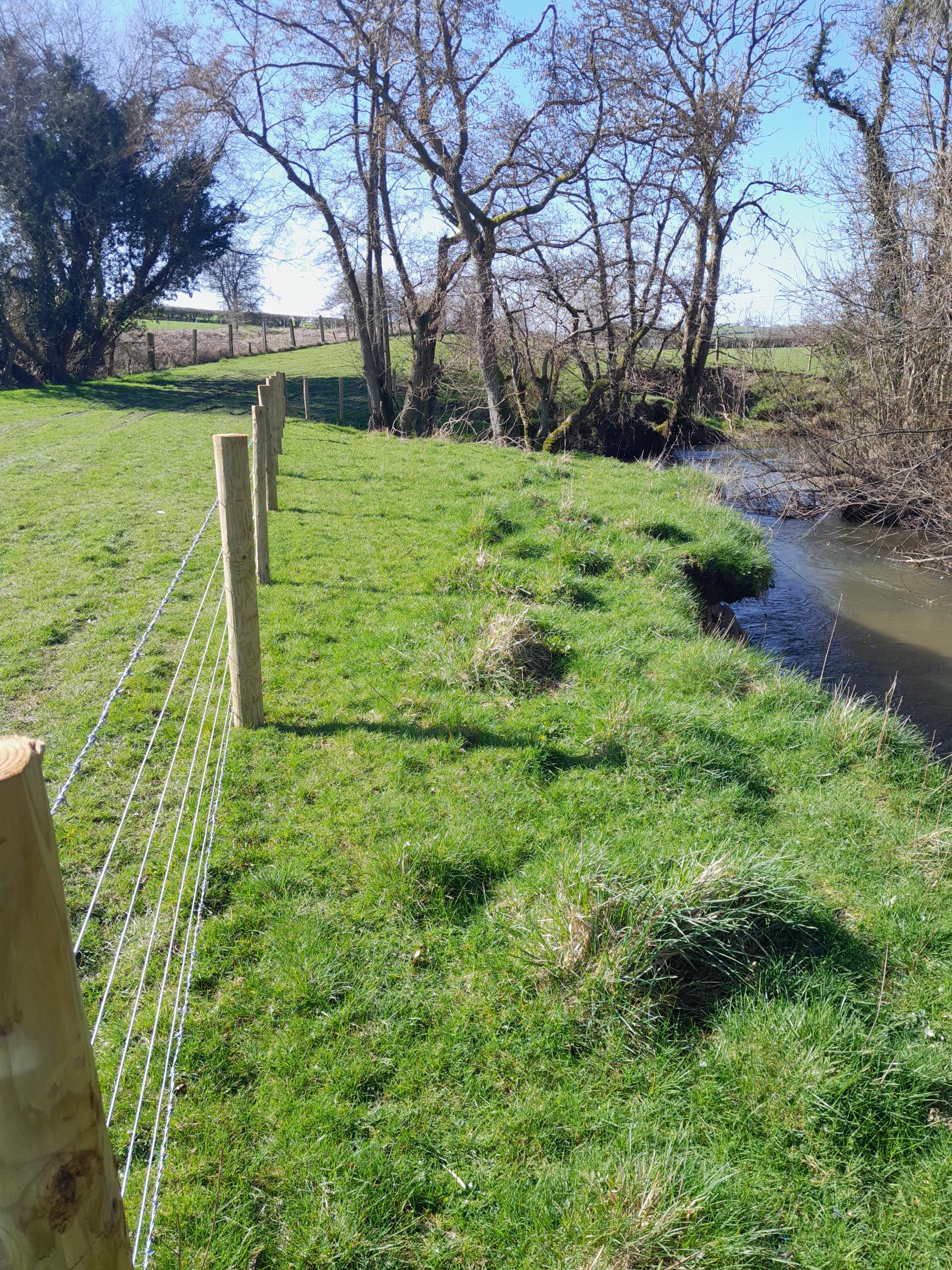
- Restoring river corridors by fencing riverbanks and planting buffer zones to protect banks and improve water quality
- Creating better in-river habitat by introducing large woody material to slow flows and support fish and invertebrates
- Reducing pollution and keeping soil on the land through targeted land management measures
- Slowing the flow of overland water so it soaks into the soil rather than running directly into the river
- Restoring and reconnecting floodplains to store water naturally during high flows
- Removing or adapting man-made structures that block fish movement and disrupt natural river processes
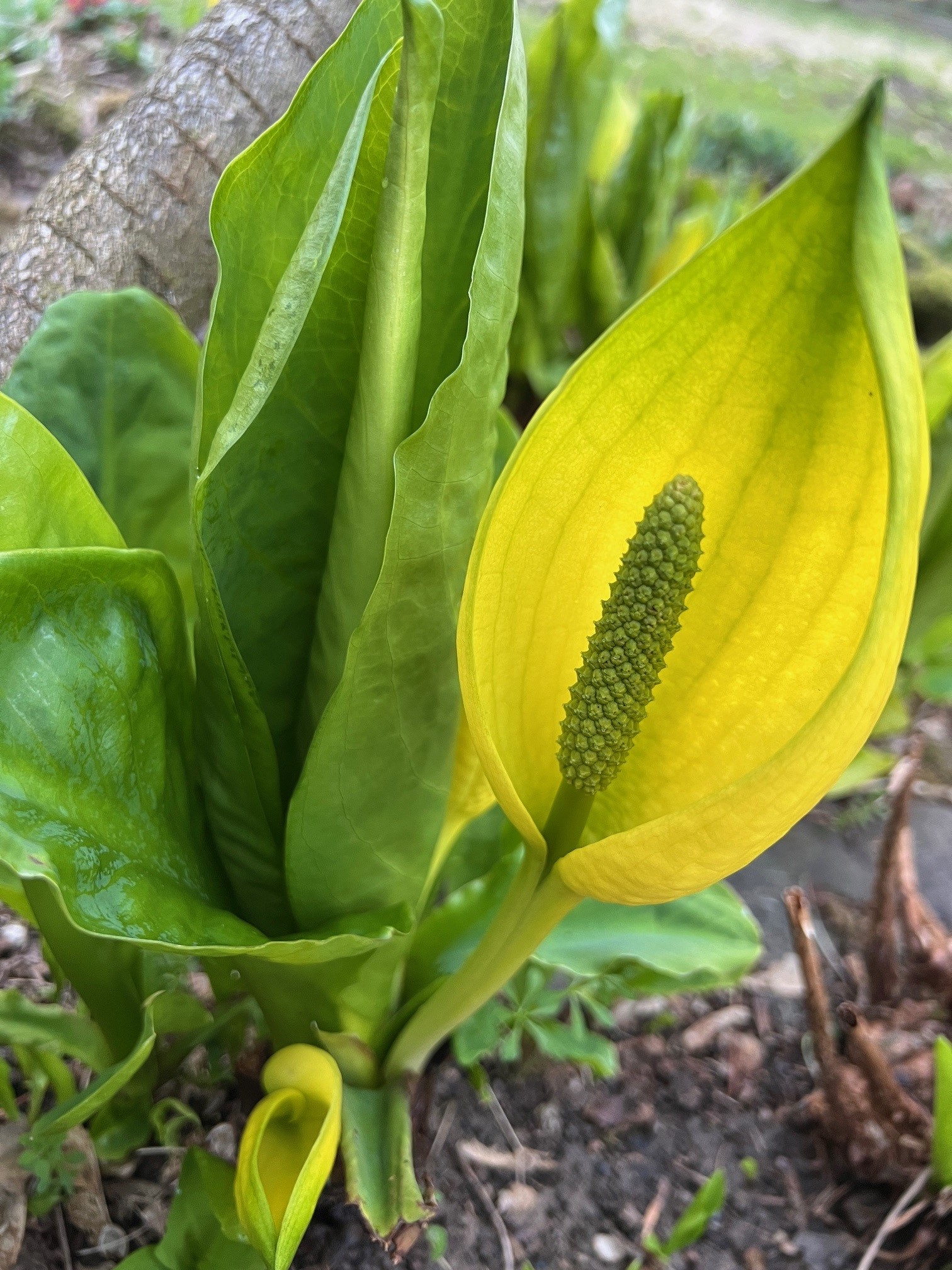
- Tackling invasive non-native plant species that contribute to bank erosion and out-compete native plants, such as Himalayan balsam and American skunk cabbage
Monitoring with tools such as Sonde data loggers, electrofishing surveys and drone imagery tracks progress and ensures that work is delivered in areas that provide maximum benefit.
Together, these actions help restore natural river processes, improve resilience to climate change and support wildlife and communities along the River Wye.
Latest updates
To find out the latest news from the project view our newsletters:
And if you'd like to subscribe to receive these by email: subscribe here
The Project Area
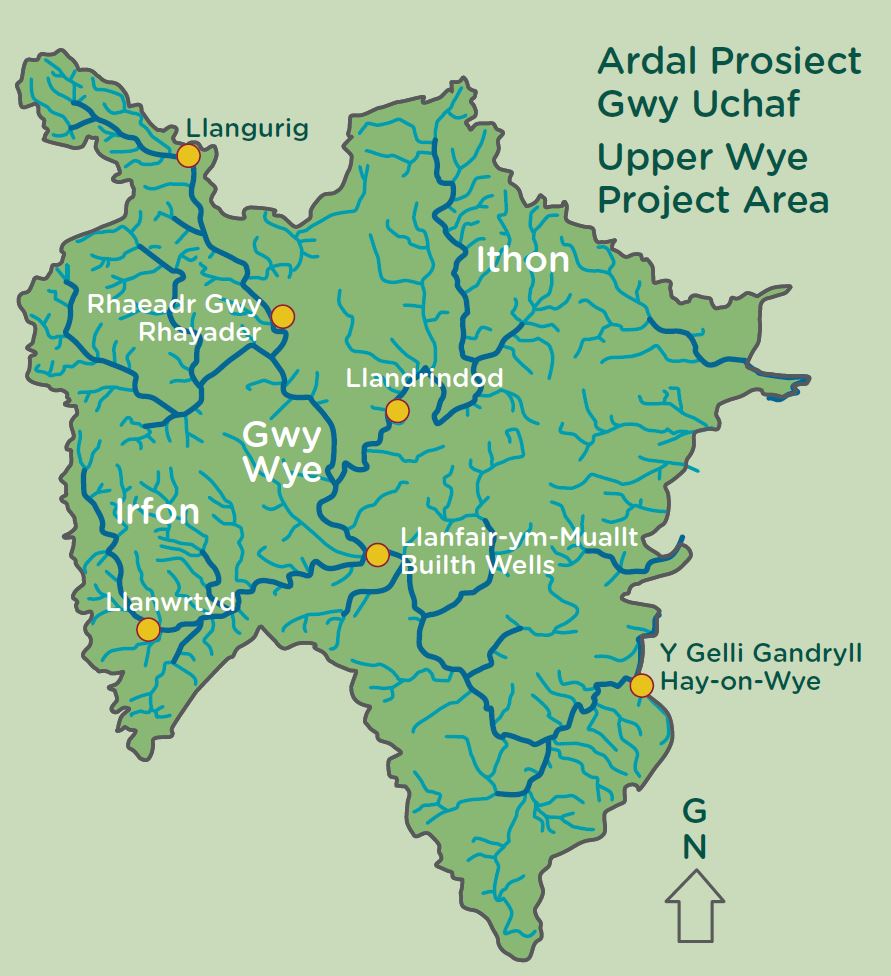
The project area encompasses the Wye catchment upstream of Hay-on-Wye. Our current focus areas are on the Ithon and its tributaries upstream of Llandrindod Wells, the upper Wye and its tributaries upstream of Newbridge on Wye and the Irfon to the west of Builth. We are carrying out some work in other areas, so are always interested to hear from any part of the upper catchment.
Our work with communities
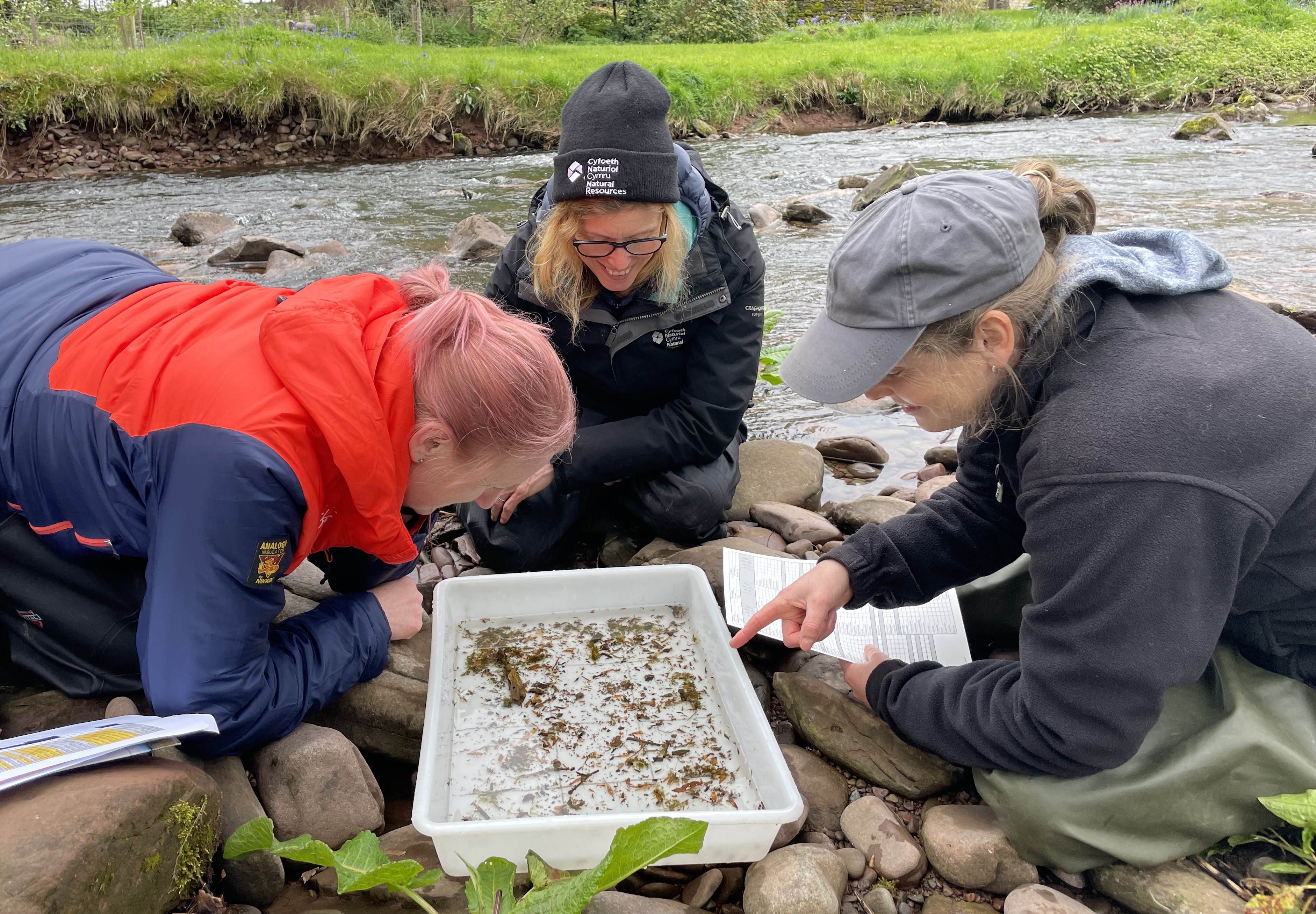
Communities living and working along the Upper Wye are at the heart of this project and we are working closely with local people and organisations.
Farmers and land managers play a vital role in shaping the catchment. We are funding and delivering work on farms that benefits river health while supporting efficient and profitable farm businesses. All work is developed in collaboration with land owners, using their local knowledge and experience and our technical advice.
We also work closely with a wide range of organisations working in the area, including Radnorshire and Montgomeryshire Wildlife Trusts, the Wye and Usk Foundation, Freshwater Habitats Trust and the Woodland Trust, farming organisations and farm cluster groups.
We encourage people to get involved wherever possible, through events such as site visits and talks, attendance at established local agricultural shows and community events across the catchment.
By engaging communities and working together we can share knowledge and deliver improvements to the Wye that will have a positive impact for years to come.
Sign up to our e-newsletter
We produce a quarterly e-newsletter sharing updates on our progress, alongside interesting stories and insights about the Upper River Wye. If you’d like to stay informed, you can sign up to receive it here:
Thank you for your interest!
Follow @AdferGwyUchaf
Contact us
If you're a landowner, tenant, or community group in the upper Wye area and you'd like to work with us and get involved, please contact us via email:
RestoreUpperWye@naturalresources.wales
AdferGwyUchaf@cyfoethnaturiol.cymru
Keep up to date
We are engaging with local communities, groups and organisations through local events, newsletters and blogs, and posting our progress through social media. Why not like and follow us to see what we are up to? Links are at the bottom of this page.
Areas
- Beulah
- Builth
- Disserth and Trecoed
- Llanbadarn Fawr
- Llandrindod East/Llandrindod West
- Llandrindod North
- Llandrindod South
- Llanwrtyd Wells
- Newbridge
- Rhayader
- Talgarth
Audiences
- Anglers
- Citizens
- citizens
- Community Volunteers
- DCWW
- Fly-fishing
- Forest Management
- NFU
- River restoration
- Rivers
- Wales Biodiversity Partnership
- water companies
Interests
- Biodiversity
- Climate change adaptation measures
- Community Engagement
- Community Voulnteering
- Fishing
- Forest Management
- Metal mines
- River restoration
- South West Area Statement
- Terrestrial ecosystems and species
- WFD
Share
Share on Twitter Share on Facebook